Taxis & Private Transfers to and from Brussels Airport (BRU)
Taxi, Minibus & Group Transportation | Fixed Price | Available 24/7 | Flight Monitoring
Where Europe Does Business: Why Private Airport Transfers Define the Brussels Experience
2026-03-08 | TRAVEL GUIDE
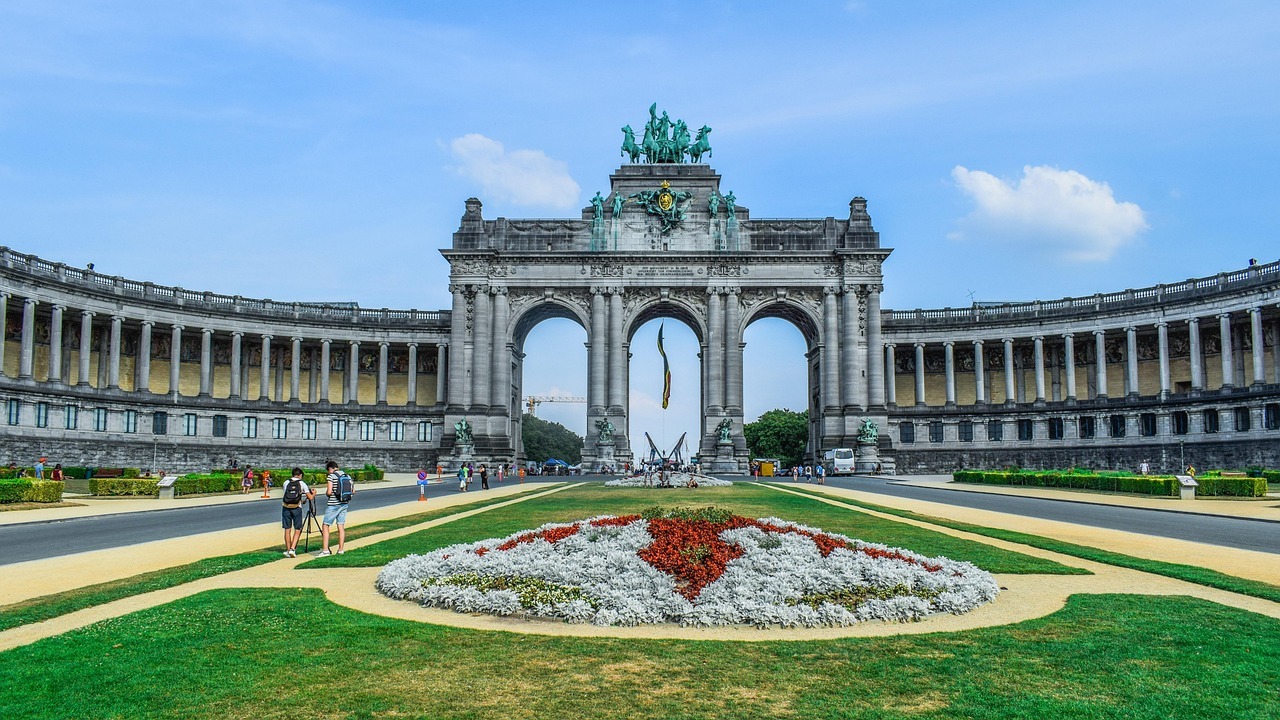
Brussels doesn't just host the conversation about Europe's future — it is where that conversation happens every single day. For business travellers, EU delegates, and corporate teams arriving at Brussels Airport, the transfer from the terminal is not a footnote. It is the opening statement.
There is a city in the heart of Europe where, on any given Tuesday morning, you might find a trade minister from Tokyo, a lobbying team from Silicon Valley, a delegation of MEPs from six different countries, and a corporate incentive group from London all arriving within the same hour. That city is Brussels — and it operates at a frequency and intensity of international business activity that very few places on earth can match.
Brussels is the de facto capital of the European Union. It is the headquarters of NATO. It is home to more international organisations, diplomatic missions, and multinational corporate headquarters than almost any other city in the world. The conferences held here shape legislation that affects five hundred million people. The team-building programmes run here bring together professionals from across a continent. The EU Council meetings convened here determine the direction of the world's largest trading bloc.
And all of these people — the ministers, the commissioners, the lobbyists, the consultants, the corporate teams — land at Brussels Airport and need to get into the city.
How that journey happens matters. BrusselsExpress exists to make sure it happens right.
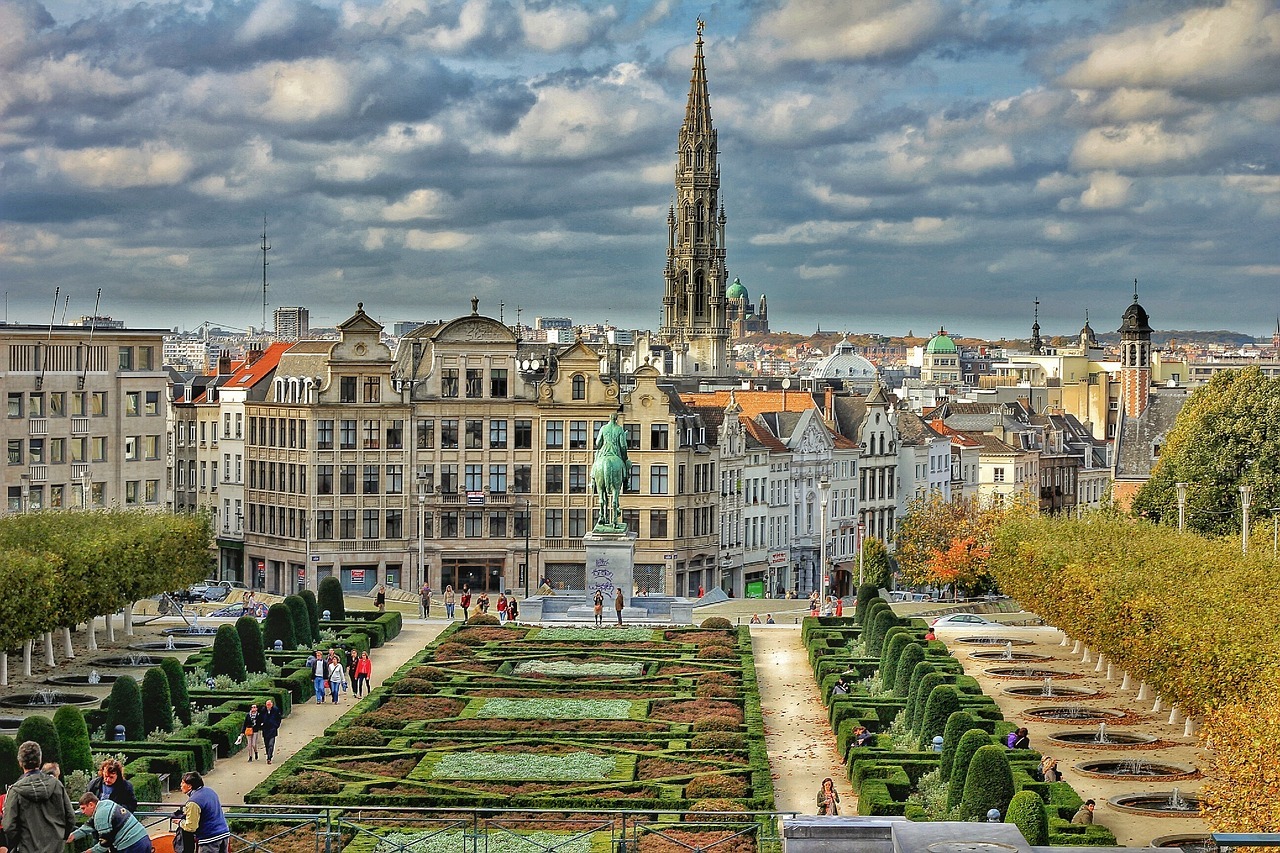
Brussels as a Business Capital: The Numbers Behind the Reputation
To appreciate why private airport transfers are so important in Brussels specifically, it helps to understand the sheer density of the city's professional activity — because Brussels is not a business destination in the way that Frankfurt or Amsterdam are business destinations. It is something more concentrated, more politically charged, and more internationally diverse than almost anywhere else.
The EU Quarter and the Conference Ecosystem
The European Quarter in Brussels — the arc of streets around the Schuman roundabout, the Berlaymont building, the European Parliament, and the Council of the EU — generates a volume of professional travel that is unlike anything outside Washington D.C. or Geneva. On weeks when the European Council meets, heads of state and their full delegations descend on Brussels simultaneously. During parliamentary sessions, MEPs and their staff arrive from across the continent. When major EU legislation enters its final stages of negotiation, the city fills with lobbyists, lawyers, policy experts, and journalists from every member state and beyond.
Beyond the EU institutions, Brussels hosts some of Europe's most significant conference infrastructure. The Square Brussels Convention Centre, connected to the Mont des Arts cultural complex. The Brussels Expo at Heysel, one of Belgium's largest exhibition venues. The Palais des Congrès. And a constellation of five-star hotel conference facilities — the Sofitel, the Marriott Grand Place, the Radisson Collection, the Hotel Amigo — that handle the overflow from the city's institutional calendar with practised ease.
Corporate Brussels: More Than Just Politics
The political and institutional dimension of Brussels is what makes headlines, but the city's corporate infrastructure runs just as deep. Brussels is the European headquarters of companies including Anheuser-Busch InBev, Solvay, UCB, and dozens of major financial, legal, and consultancy firms whose European operations are anchored here precisely because of the city's proximity to EU decision-making. The corporate conference and team-building market in Brussels is substantial, sophisticated, and year-round.
For HR managers organising team-building programmes, for corporate travel managers arranging delegate transport, and for executive assistants booking transfers for senior leadership — Brussels demands a standard of service that matches the gravity of the occasions being arranged.
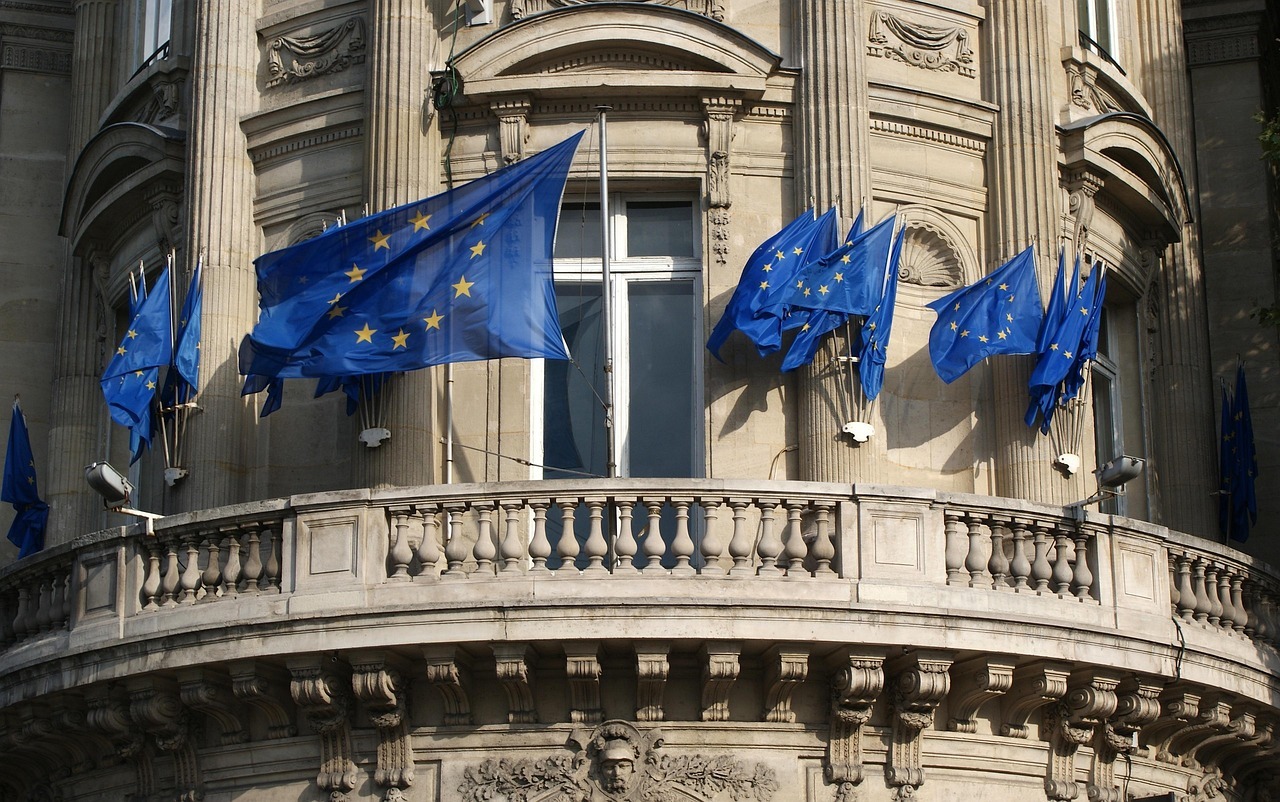
The Transfer Problem: Why Standard Options Fail Business Travellers
Brussels Airport, located in Zaventem approximately 12 kilometres northeast of the city centre, is connected to Brussels by rail, taxi, and private transfer. In theory, the options are numerous. In practice, for the business traveller — and particularly for groups — most of them fall short in ways that are entirely predictable.
The Train: Efficient for Tourists, Insufficient for Professionals
The Airport Express train connecting Brussels Airport to the city's three main stations — Brussels-Central, Brussels-Midi, and Brussels-Nord — is genuinely good public infrastructure. It is fast, frequent, and well-maintained. For the solo leisure traveller with a single bag and no schedule pressure, it is excellent.
For the business traveller arriving with a roller case, a laptop bag, and a briefing document to review before a 2pm meeting at the European Commission, it is inadequate. The walk from the aircraft to the train platform, with luggage, through a busy terminal, followed by a standing journey in a crowded carriage, followed by a taxi queue at the other end — this is a sequence of friction points that a private transfer eliminates entirely. One vehicle, terminal to destination, door to door.
The Group Train Problem
For a group of eight colleagues travelling together to a team-building event, the train calculation becomes even less favourable. Coordinating luggage, finding seats together in a busy carriage, and then arranging onward transport from the station to the actual venue — these are coordination tasks that consume time and energy that could be spent on the reason the group is in Brussels in the first place.
Taxis and Ride-Hailing: The Illusion of Flexibility
The appeal of hailing a taxi or opening a ride-hailing app on arrival at Brussels Airport is the feeling of spontaneity — of not having to plan, of being able to act on arrival. In practice, for professional travel, this spontaneity is expensive in multiple senses of the word.
Surge pricing during peak arrival windows at Brussels Airport is a consistent reality. On mornings when multiple international conferences begin simultaneously — which in Brussels is not a rare occurrence — demand for taxis and ride-hailing vehicles spikes dramatically, and prices follow. The fare that looked reasonable on a Monday morning quote becomes something quite different on a Wednesday when half of Europe's policy community is arriving at the same terminal.
For corporate travel expense management, variable pricing is a structural problem. A travel manager cannot budget accurately for transport if the cost depends on conditions at the moment of arrival. A pre-booked private transfer from BrusselsExpress resolves this entirely — fixed price, confirmed in advance, invoiced cleanly.
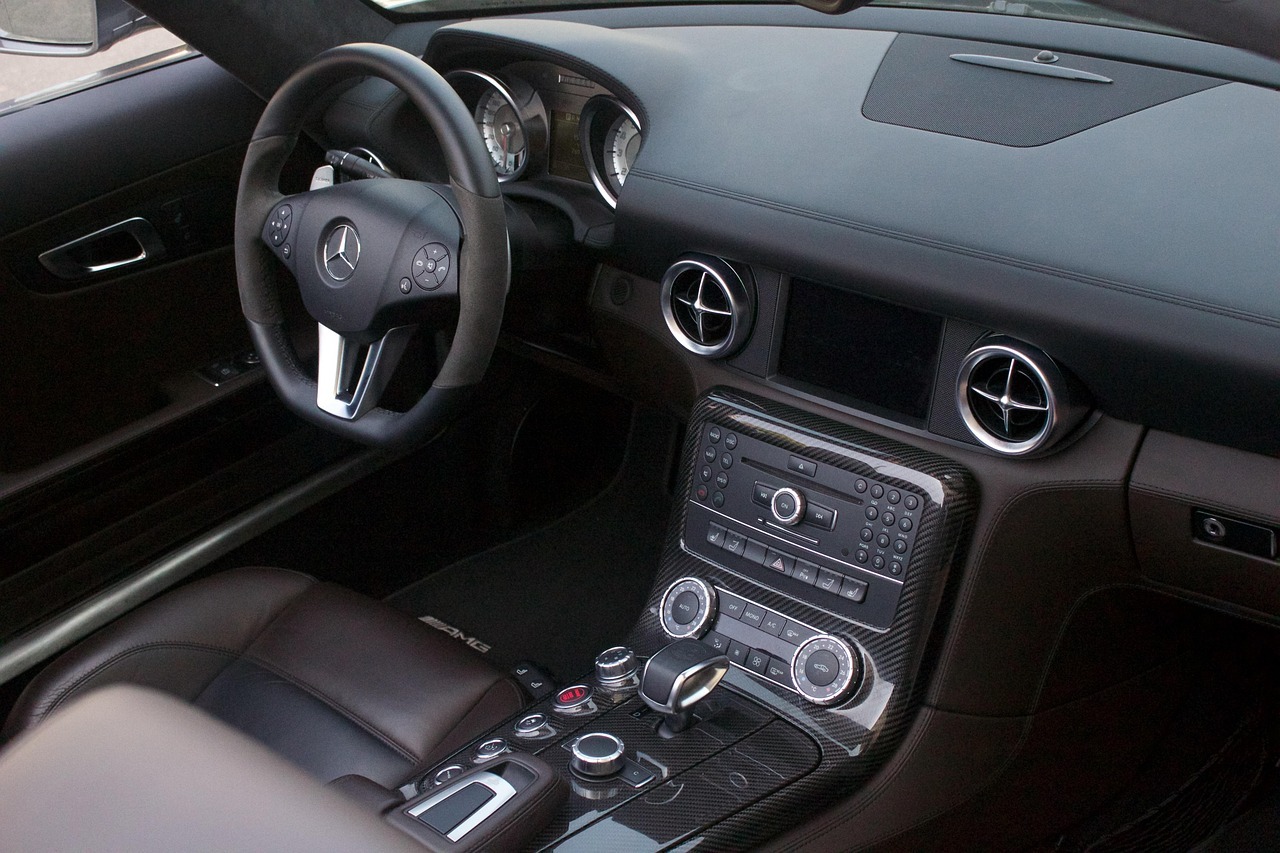
What Private Transfer Actually Delivers: The BrusselsExpress Standard
The difference between booking a private airport transfer with BrusselsExpress and improvising transport on arrival is not merely a matter of comfort. It is a difference in professional standards — in what the experience communicates about the organisation behind the booking, and in what it delivers for the traveller themselves.
Flight Monitoring: The Invisible Reliability
Your BrusselsExpress driver is tracking your flight before it lands. Not from the scheduled arrival time — from the moment of departure. A delay at Heathrow, a late pushback at Charles de Gaulle, a ground hold at Frankfurt — your driver knows before you do, and the pickup adjusts accordingly. When you walk through arrivals, your driver is already there. Not arriving, not parking, not finishing another job. Already there.
For the business traveller connecting from a long-haul flight with a tight schedule, this invisible reliability is worth more than any vehicle upgrade. The knowledge that the transfer is handled — completely, professionally, without requiring your attention — is a specific kind of peace of mind that experienced business travellers recognise immediately and value enormously.
Meet and Greet: The Professional First Impression
In the arrivals hall at Brussels Airport, among the signs held by drivers and the families waiting for returning relatives, your name appears — clearly printed, professionally presented, held by a composed and well-presented driver. You do not scan the hall twice. You do not check your phone. You do not wonder if your booking went through correctly.
This moment is more significant than it might appear. For international delegates arriving in Brussels for high-stakes meetings at EU institutions, for corporate teams whose first impression of a company's organisational competence begins at the airport — the meet-and-greet is a statement. It says: you are expected, you are valued, and everything from this point is arranged.
For EU Delegations: Protocol Matters
Delegations arriving for meetings at the European Commission, the European Parliament, or the Council of the EU operate within a culture where professional protocol is not incidental — it is the medium of the work itself. A private transfer with a professional driver, correctly arranged and properly executed, is consistent with that culture. It is the appropriate level of service for the level of occasion.
The Vehicle as a Working Environment
The journey from Brussels Airport to the European Quarter, to the Grand Place hotel district, or to a corporate venue in the business district takes between twenty and forty minutes depending on traffic and destination. For a business traveller, that is not dead time — it is preparation time. A final review of talking points before an EU committee hearing. A quiet call with a colleague in a different timezone. A moment of genuine rest after a transatlantic flight before the schedule begins in earnest.
The vehicles in BrusselsExpress's fleet — spacious, premium, impeccably maintained — make this possible. The environment is quiet, private, and comfortable in a way that the back of a taxi or a train carriage cannot replicate. Climate control, Wi-Fi connectivity, professional presentation — these are not extras. They are what the journey is supposed to be.
Confidentiality in Transit
Brussels is a city where information has value and discretion is currency. Conversations between policy advisors, discussions between legal teams, briefings between executives and their communications leads — these cannot happen in shared transport. They can happen in a private vehicle with a professional driver who understands, as a matter of professional standard, that what is said in the vehicle stays in the vehicle. For certain categories of professional travel, this confidentiality is not a preference. It is a requirement.
Groups, Delegations, and the Coordination Advantage
For corporate groups and EU delegations, the group management dimension of private transfer becomes particularly significant. A team of twelve arriving from different cities for a two-day conference in Brussels might have four different flight arrivals within a three-hour window. BrusselsExpress handles the coordination — monitoring each flight, sequencing the pickups, ensuring that every member of the group is collected efficiently and delivered to the venue together.
One Invoice, One Point of Contact
For the travel manager or executive assistant responsible for organising group transport, the administrative simplicity of a single, professionally invoiced transfer booking cannot be overstated. One supplier, one invoice, one point of contact for any questions or adjustments. Compared to the administrative archaeology of reconciling multiple taxi receipts from multiple drivers in multiple languages — the difference is immediately, gratefully apparent.
Brussels by Destination: Where BrusselsExpress Takes You
The geography of professional Brussels is relatively compact but highly specific — and knowing the city matters when you're arranging transport for people whose time is genuinely precious.
The European Quarter
The institutional heart of the EU — the Berlaymont, the Justus Lipsius building, the European Parliament, the Charlemagne building — is clustered around the Schuman and Trône areas of Brussels. BrusselsExpress drivers know these buildings, the correct entrances for professional visitors, and the security protocols that apply to vehicles arriving at institutional addresses.
Grand Place and the Historic Centre
Many conference hotels and corporate event venues are located in and around the historic centre — walking distance from the Grand Place, the Galeries Royales Saint-Hubert, and the cultural institutions of central Brussels. The Marriott Grand Place, the Hotel Amigo, the Radisson Collection — these are destinations BrusselsExpress serves daily.
NATO Headquarters
Located in the Evere district of Brussels, NATO Headquarters receives a constant flow of military, diplomatic, and policy professionals from member states and partner nations. The protocols around arrival and access are specific, and a professional driver familiar with the location and its requirements is a genuine practical advantage.
Bruges, Ghent, and Beyond
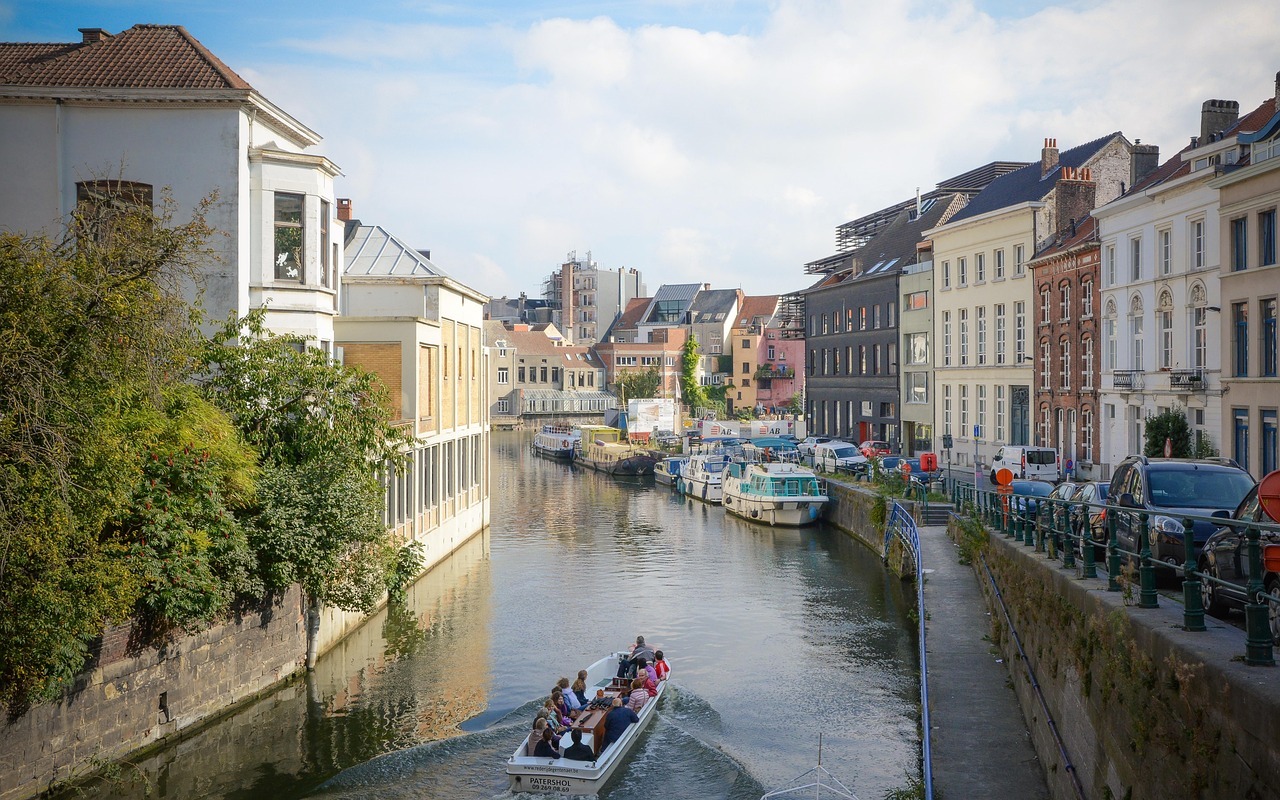
Not all professional visitors to Belgium stay in Brussels. A corporate team-building programme might be based in Bruges, with its medieval canal streets and world-class hospitality. A pharmaceutical conference might be held in Ghent, Belgium's dynamic university city. A leadership retreat might be arranged in the Ardennes, the forested hills of southern Belgium. BrusselsExpress serves these destinations too — providing the same standard of professional private transfer from Brussels Airport to wherever the work takes you.
The Conclusion That Serious Business Travellers Already Know
Brussels is the most consequential city in Europe for the work that shapes the continent. The people who travel here for conferences, for EU meetings, for corporate team-building programmes, and for the daily business of European affairs are professionals operating at the highest levels of their fields. They do not leave their transport to chance.
A private transfer with BrusselsExpress is the choice that reflects the level of occasion — reliable, professional, discreet, and impeccably executed from the moment your flight lands to the moment you walk through the door of your meeting.
In a city where first impressions carry real weight and every detail of professional presentation matters, how you arrive is part of how you perform.
Book your private airport transfer at brusselsexpress.be — professional, premium transfers for business travellers, corporate groups, and EU delegations arriving at Brussels Airport.